
Roots
How we doubled B2B conversions for Roots with hyper-targeted first-party data – without more ad spend.
growth
+101%
b2b lead
profit
+51%
Impressions on the Same Budget
conversions
-55%
Cost per lead
The
problem
Blunt Audience Targeting: Reaching a hyper-specific B2B niche—head chefs and procurement leads in public and commercial kitchens—via standard targeting resulted in massive ad spend waste.
Weak Algorithmic Signals: Platforms (Google and Meta) lacked the precise lead and conversion data required to optimize bidding toward true decision-makers.
Costly Auction Dynamics: Low creative relevance resulted in poor Quality Scores, driving up CPMs and throttling reach within the niche target audience.
The solution
01 / First-Party Data Infrastructure
We implemented server-side tracking to secure data fidelity and fundamentally transformed how lead data is harvested and utilized. By feeding back pristine conversion signals, we gave platform algorithms the surgical precision needed to pin down the exact target audience.
02 / Relevance-Driven Auction Optimization
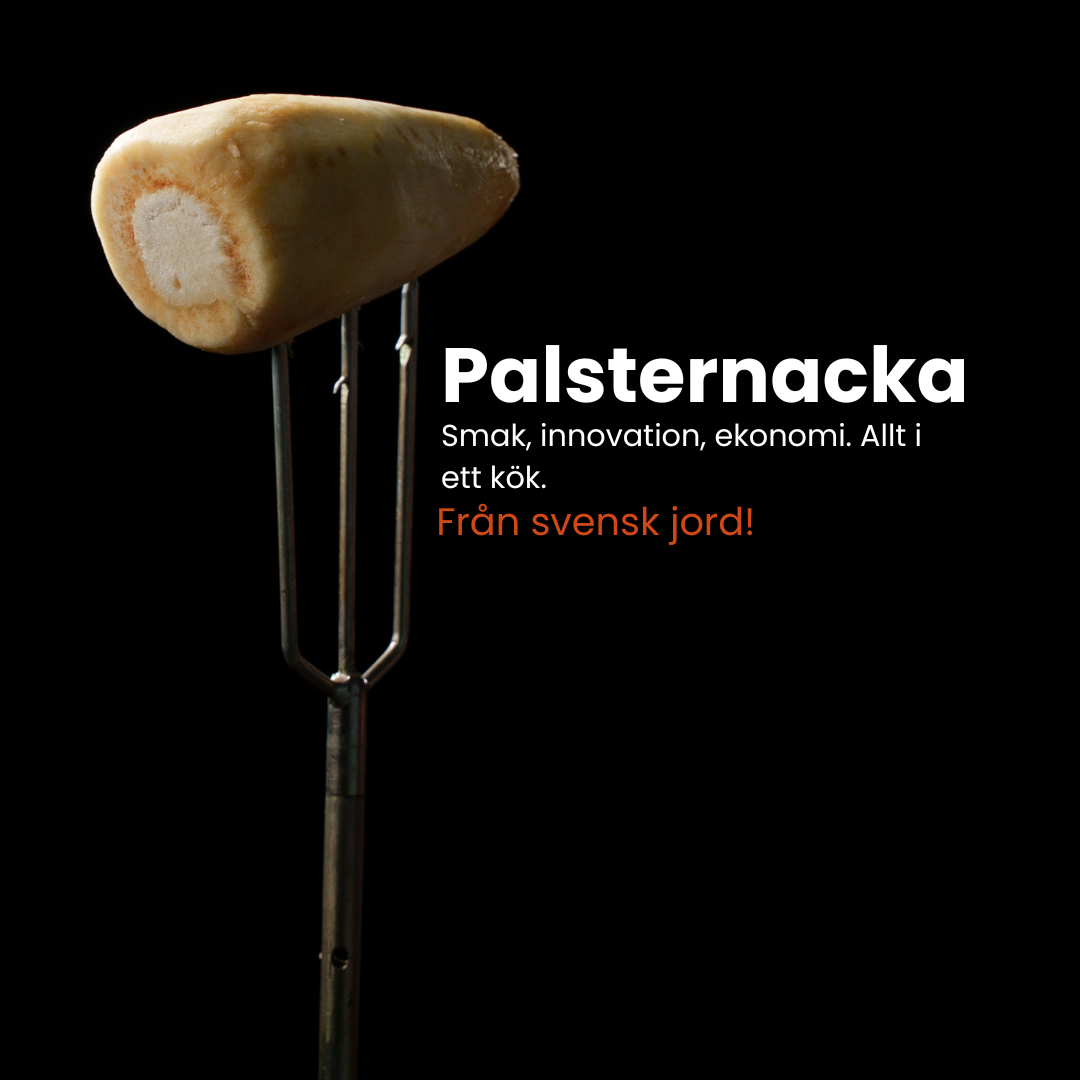
By overhauling creative assets across the board, we raised Roots' quality scores on Meta and ad rank on Google. This drove down the average bid per impression, allowing us to surge total impressions by 51% with zero added budget.
03 / Intent-Based Niche Distribution
We synchronized cross-channel execution around the specific purchasing behavior of commercial chefs. Superior data fidelity combined with sharpened ad creative captured high-value decision-makers, driving a 13.9% lift in CTR and doubling total conversions. In short: by shifting focus from broad reach to hyper-targeted first-party data, we doubled B2B conversions for Roots without increasing ad spend.
Advanced lead data modeling
Omnichannel distribution
Server-side tracking
Quality-based auction bidding
creatives
Up to 14 unique creative assets running simultaneously.
Wondering what we can do for you?
We offer a free audit—a deep-dive analysis of your accounts that exposes concrete roadblocks and outlines clear optimizations. What you do with it after is entirely up to you.
Book audit
